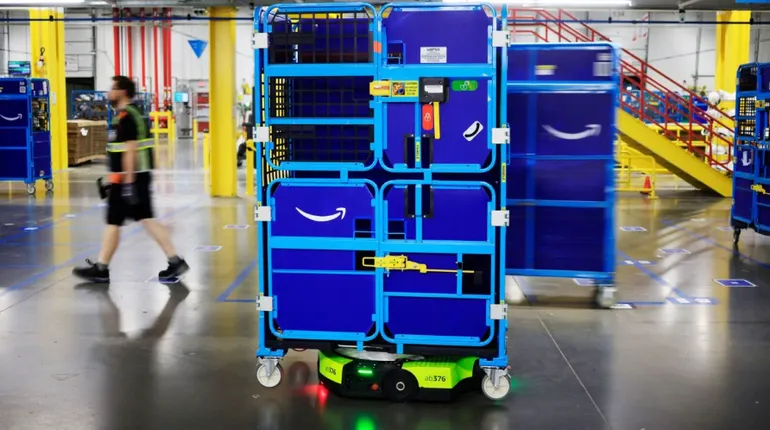
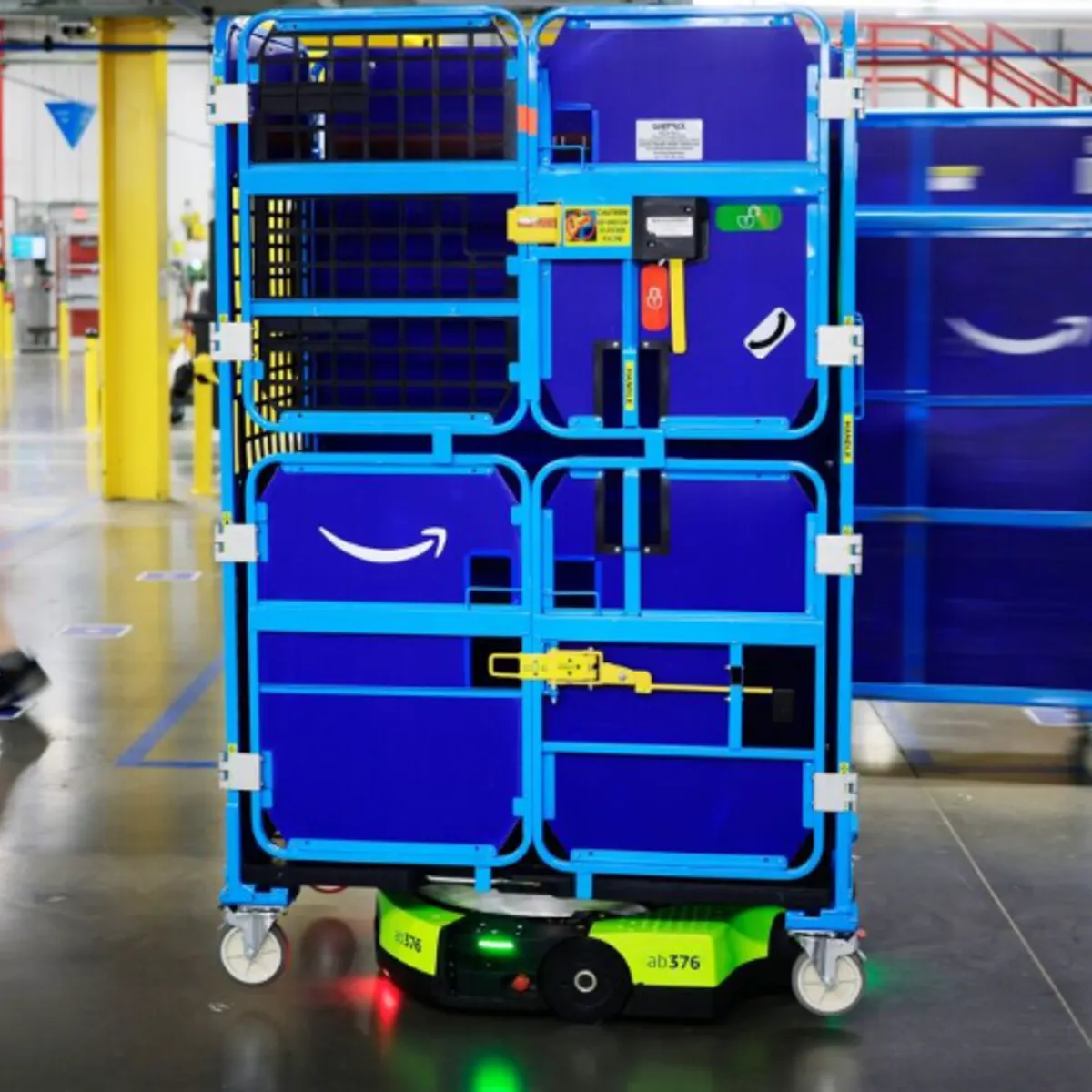
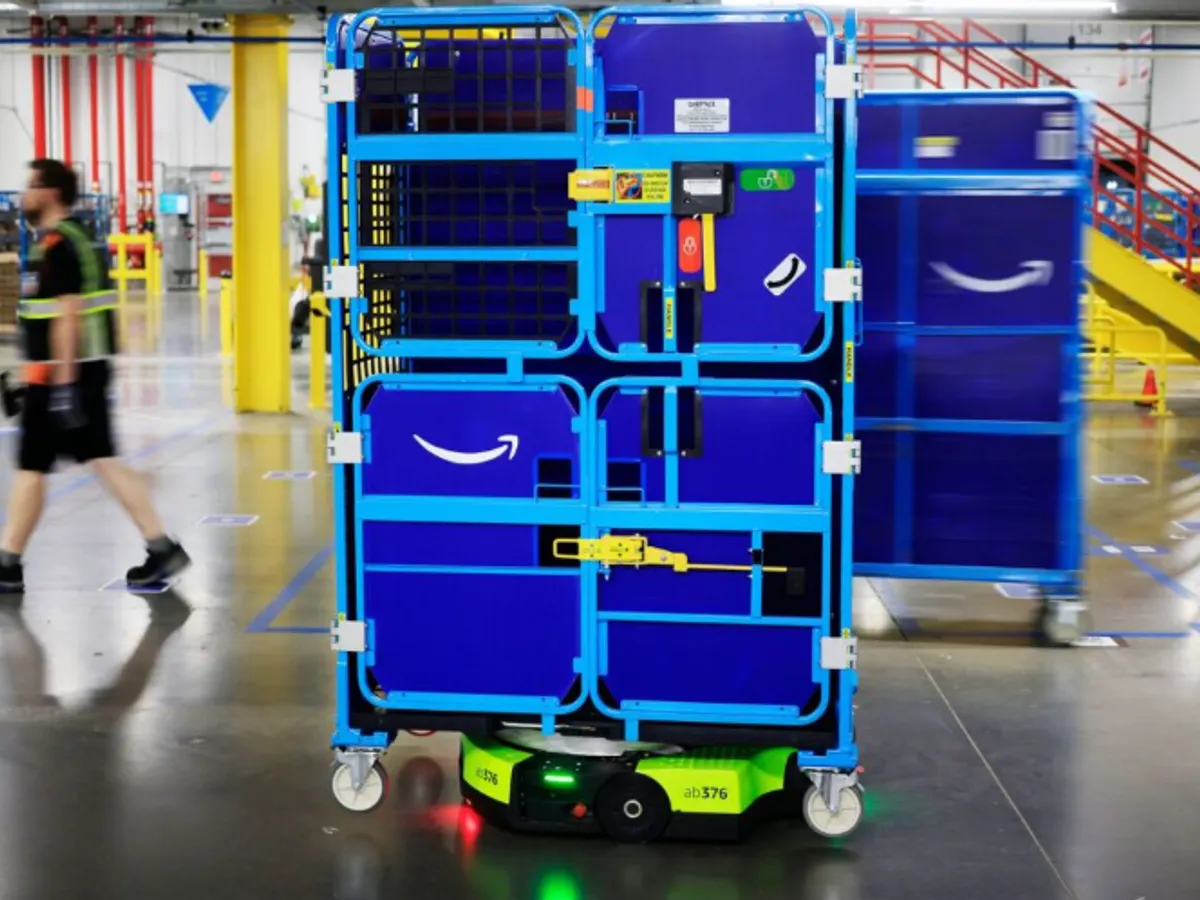
Recent developments highlight the growing integration of AI and intelligent software with warehouse robotics to enhance operational efficiency and human-robot collaboration. On May 26, 2026, industry discussions emphasized how warehouse operators are investing heavily in AI-driven systems to optimize robotics performance. For instance, Amazon is advancing frameworks allowing its warehouse robots to communicate with employees using natural human language, improving coordination in fulfillment centers.
This builds on broader trends where AI helps in dynamic task allocation, obstacle avoidance, and predictive maintenance for systems like AGVs and AMRs. Major players are focusing on hybrid approaches combining robotics with WMS (Warehouse Management Systems) for seamless orchestration. Autonomous Mobile Robots (AMRs) stand out for their flexibility in navigating dynamic environments without fixed infrastructure, unlike traditional AGVs. In one case, a US wholesale operator using Geek+ robots achieved up to 20% higher warehouse throughput and 15% better operational efficiency by implementing advanced charging solutions like CaPow technology, minimizing downtime.
This addresses a key bottleneck in AMR deployment—continuous power management in high-volume logistics settings. Automated depalletizing, sorting, and goods-to-person systems are gaining traction, with robotic arms and shuttles handling irregular loads more effectively.
Trends for 2026 point to increased adoption of robotics-as-a-service (RaaS) models, lowering entry barriers for smaller facilities. Companies like Toyota Automated Logistics and others are showcasing integrated solutions at events, combining AS/RS (Automated Storage and Retrieval Systems) with mobile robots for high-density storage and rapid retrieval. Humanoid robots are also emerging in discussions for repetitive tasks in warehouse logistics, potentially transforming material handling by performing complex manipulations that current AMRs struggle with.
Safety enhancements through computer vision and sensor fusion remain critical, reducing accidents in mixed human-robot environments. WMS platforms now incorporate AI forecasting and digital twins for real-time simulation of warehouse flows, optimizing picking routes and inventory placement. In automated picking, AMRs transport goods to stations, boosting picker productivity by reducing travel time.
Overall, the sector is shifting toward more adaptive, software-centric automation that scales with e-commerce demands while addressing labor shortages.
Challenges include:
- high initial costs and integration complexities
- but ROI is accelerating through efficiency gains in palletizing
- sorting
- transport. Experts note that successful implementations require robust fleet management software for multi-robot coordination. Examples from global deployments show AMRs excelling in flexible layouts
- while AS/RS excels in dense storage
New projects emphasize sustainability, with energy-efficient robots and optimized paths cutting carbon footprints. The convergence of AI, robotics, and logistics software is set to redefine smart warehousing, enabling faster order fulfillment and greater resilience in supply chains.