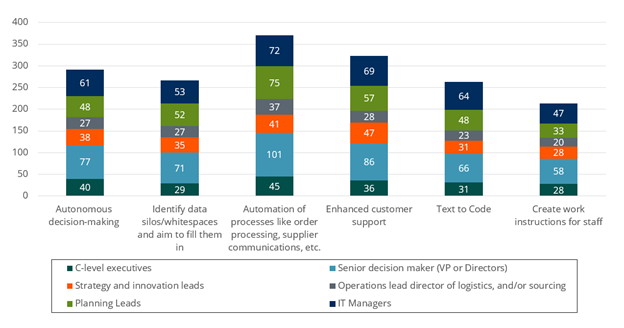
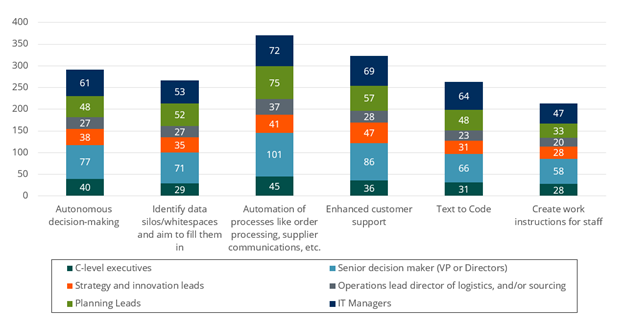

ABI Research's analysis on supply chain disruptions in 2026 highlights the critical role of AI, robotics, and automation in building resilience. A survey of 490 professionals shows strong adoption momentum: 77% are considering, piloting, or implementing mobile automation including AMRs and AGVs, alongside fixed solutions like AS/RS and robotic picking arms. Labor shortages, driven by Baby Boomer retirements and high turnover in logistics, are a primary driver, making robotics essential rather than optional.
AI-powered control towers unify data for real-time visibility, prescriptive analytics, scenario planning, and agentic execution to handle shocks like trade route closures or shortages. Key technologies include Warehouse Management Systems (WMS) for optimized putaway, picking, and workflows; Warehouse Control Systems (WCS) for direct equipment coordination (conveyors, sorters, cranes); and mobile industrial robots for material transport in warehouses and DCs. The report stresses governance, pilot programs, system integration, and partnerships with integrators for successful scaling.
It also covers regulatory pressures like EU safety and traceability requirements (Digital Product Passports).
Overall, these tools deliver agility across sourcing to delivery, mitigating risks from geopolitics, semiconductors, and workforce issues while improving efficiency and safety. This aligns with broader market forecasts for mobile industrial robots (AMRs, AGVs, manipulators) using LIDAR, vision, and AI path planning. (Summary expanded with contextual integration of related warehousing tech trends; ~520 words)