HaiPick Climb Evolved – Compact Double-Deep Storage for Modern Warehouse Demands
Quick Facts
Technology Performance Metrics
⭐Key Features
Applications
Detailed Information
Product Overview
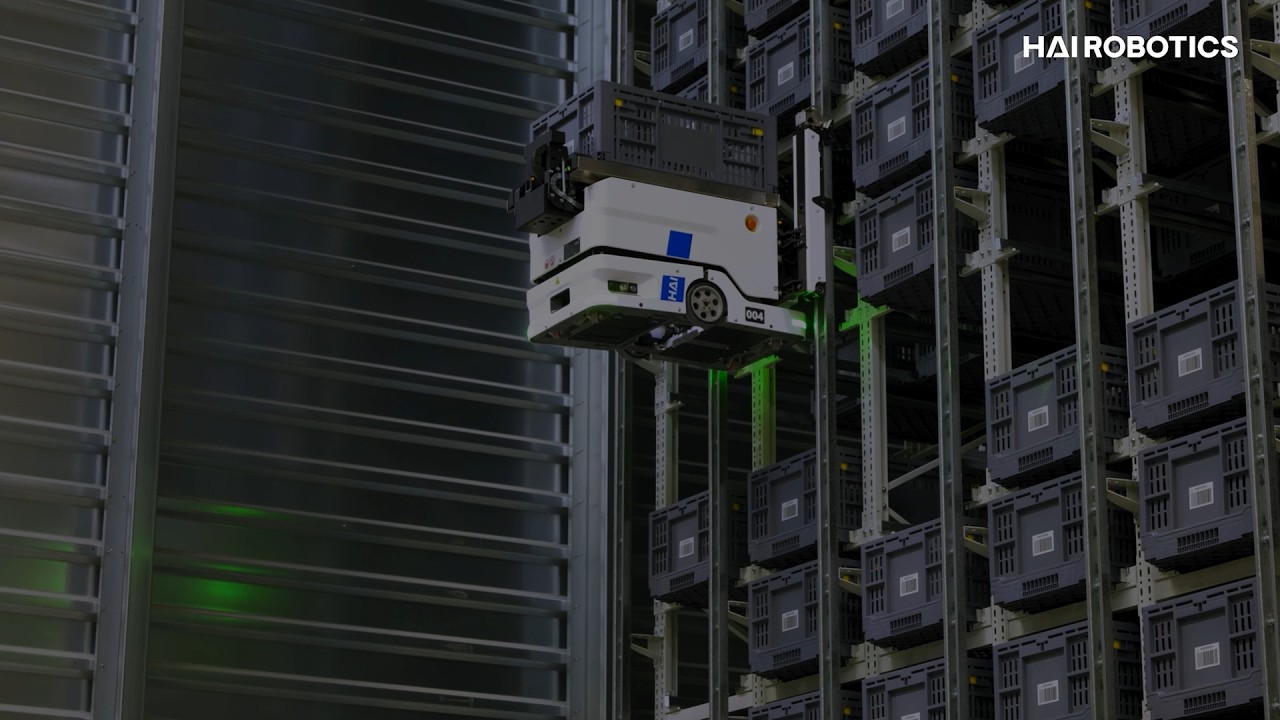
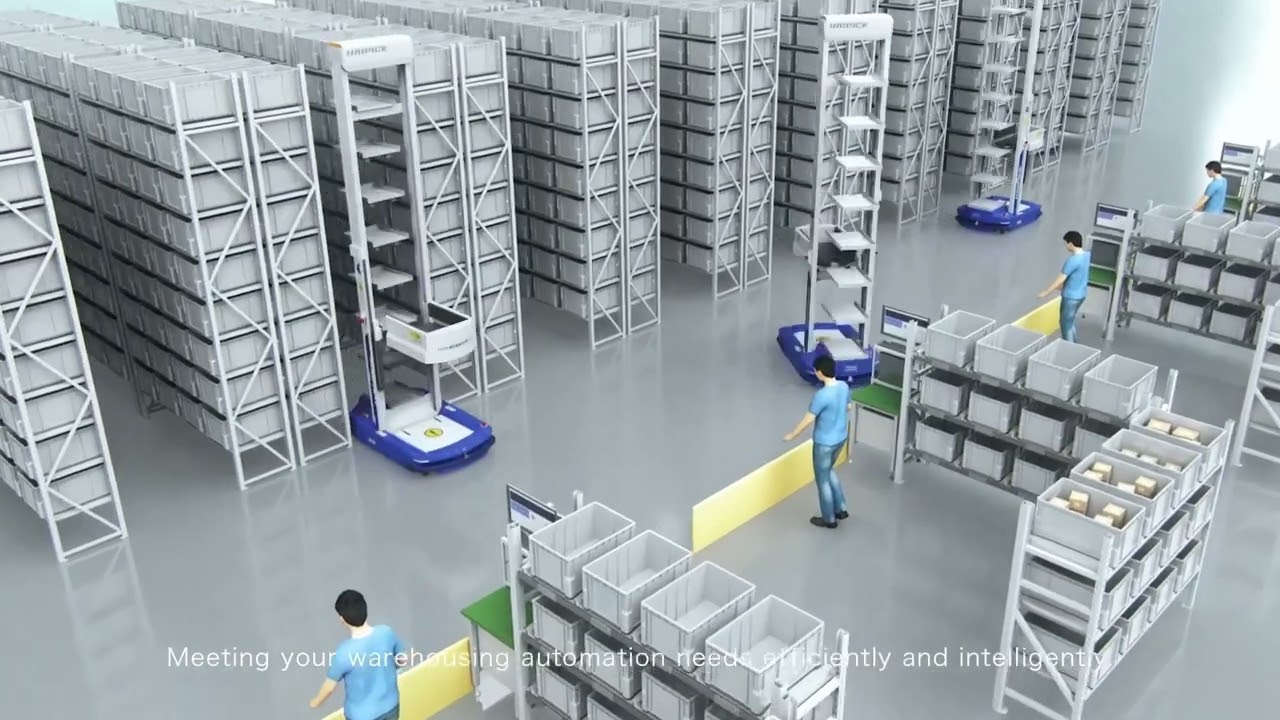
HaiPick Climb is Hai Robotics' rack-climbing Autonomous Case-handling Robot (ACR) system, powered by the HaiClimber robot. Unlike floor-based ACR systems where robots navigate in aisles between stationary racks, the HaiClimber physically climbs the racking structure itself — retrieving totes and cases directly from shelf positions at any height within the storage grid and delivering them to operator workstations at the base of the system. This climbing mechanism eliminates the dedicated robot travel aisles required by conventional goods-to-person configurations, enabling a storage density that floor-based systems cannot approach within the same footprint.
The 2026 "Evolved" upgrade, released in March 2026, introduces a new compact double-deep storage configuration as its headline capability. This architectural change pushes the system's storage density to up to 45,000 totes per 1,000 square meters — a substantial increase over the original HaiPick Climb configuration — while maintaining the low deployment complexity and operational simplicity that have been the system's defining market differentiators since its original launch.
What's New in HaiPick Climb Evolved
Compact Double-Deep Storage Configuration
The most significant technical advancement in the Evolved upgrade is the introduction of compact double-deep storage. In a standard single-deep configuration, each storage position is accessible directly from the robot's climbing path — every tote occupies a position with direct retrieval access. In a double-deep configuration, totes are stored in two positions deep, with the inner position accessible only after the outer position has been cleared. The HaiClimber's retrieval logic manages this sequencing autonomously, optimizing storage location assignments to minimize the frequency of double-deep access operations for high-velocity SKUs while maximizing the density benefit for slower-moving inventory.
The practical result of this configuration change is the headline density figure: up to 45,000 totes within 1,000 square meters. For context, this means a facility with 2,000 square meters of available floor space allocated to the HaiPick Climb system could store up to 90,000 totes — a level of inventory density that would require a significantly larger building footprint under any conventional shelving or floor-based ASRS configuration.
Faster Side-to-Side Picking Speed
The Evolved upgrade also introduces improvements to the HaiClimber's lateral movement speed — the side-to-side traversal along the racking structure that determines how quickly the robot can move between storage positions during retrieval sequences. Faster lateral speed directly reduces the time between consecutive picks at the operator workstation, improving overall system throughput. This improvement is particularly significant in high-order-velocity environments where the robot fleet's cycle time is the primary throughput constraint.
Full Case In / Full Case Out Workflow
The Evolved system adds explicit support for full case in / full case out workflows, complementing the tote-based goods-to-person model that was the primary use case for the original HaiPick Climb. This workflow capability allows the system to handle inbound and outbound inventory in its original case packaging format, without requiring operators to decant items from shipping cases into storage totes before putaway. For operations handling a significant proportion of case-level inventory — common in FMCG, apparel, and consumer electronics fulfillment — this eliminates a labor-intensive inbound handling step and simplifies the putaway process.
Core Technology: HaiClimber ACR
The HaiClimber robot is the physical embodiment of the HaiPick Climb system's density advantage. Its rack-climbing design allows it to access storage positions at any height within the racking structure, operating in a storage zone that has no human presence during normal operations. This "lights-out" storage capability removes the ceiling height constraints that apply in human-accessible warehouses, allowing the full vertical envelope of the facility to be used for productive storage.
The robot's autonomous navigation within the racking structure is managed by Hai Robotics' warehouse execution software, which handles storage location assignment, retrieval sequencing, robot fleet coordination, and workstation delivery scheduling. The software's storage location management logic is particularly important in a double-deep configuration, where intelligent slotting — placing fast-moving SKUs in outer positions and slower-moving inventory in inner positions — is essential to maintaining throughput efficiency.
Deployment and Scalability
A consistent emphasis in Hai Robotics' positioning of HaiPick Climb is the system's deployment simplicity relative to conventional high-density ASRS solutions. Traditional miniload AS/RS or shuttle systems typically require significant civil engineering, long installation timelines, and deep integration with existing WMS and conveyor infrastructure. HaiPick Climb's retrofittable design and modular architecture are intended to reduce these barriers — the system can be installed within an existing facility structure, and capacity can be expanded incrementally by adding robot units and racking sections without taking the operation offline.
The Evolved upgrade preserves this simplicity positioning explicitly: the video title's tagline "Evolved performance. Same simplicity." signals that the density and speed improvements introduced in this upgrade do not come at the cost of increased deployment complexity. This is a meaningful product design decision — it ensures that the system remains accessible to operations that need rapid deployment timelines or lack the capital budget for a full conventional ASRS installation.
Key Specifications
| Specification | Value | |---|---| | Storage Configuration | Compact double-deep | | Max Storage Density | Up to 45,000 totes / 1,000 sqm | | Robot Type | HaiClimber (rack-climbing ACR) | | Picking Model | Goods-to-Person | | Workflow Support | Tote-based + Full case in/out | | Decanting Required | No | | Deployment Model | Retrofittable, modular, scalable |
Applicable Use Cases
HaiPick Climb Evolved is suited to operations where storage density is the primary constraint, particularly those where building expansion is not feasible or desirable. The system's compact double-deep configuration delivers the most value in facilities where floor space is expensive or limited — urban fulfillment centers, existing distribution buildings with fixed footprints, or operations co-located within larger manufacturing or retail facilities.
The no-decanting, full case in/out workflow support makes the system particularly well-suited to apparel, sportswear, and consumer goods fulfillment, where inbound inventory arrives in branded shipping cases and case-level handling is the norm for both putaway and outbound picking. The goods-to-person model sustains the high picking accuracy required in these sectors while reducing the labor intensity of the picking operation.
For 3PL and omnichannel fulfillment operations, the system's SKU flexibility and scalable architecture support the variable inventory profiles and growth trajectories that characterize these business models. The ability to expand capacity incrementally — adding robot fleet capacity and racking sections in step with volume growth — aligns with the capital investment patterns typical of 3PL operators who need to match infrastructure investment to client contract commitments.
Vendor Information
Hai Robotics developed and manufactures the HaiPick Climb system, including the HaiClimber robot, racking infrastructure, operator workstations, and warehouse execution software. Established in 2016 and headquartered in Shenzhen, China, Hai Robotics is the developer of the world's first ACR (Autonomous Case-handling Robot) system and has deployed HaiPick solutions across retail, apparel, healthcare, electronics, and 3PL sectors globally. More information is available at hairobotics.com.
Related Projects
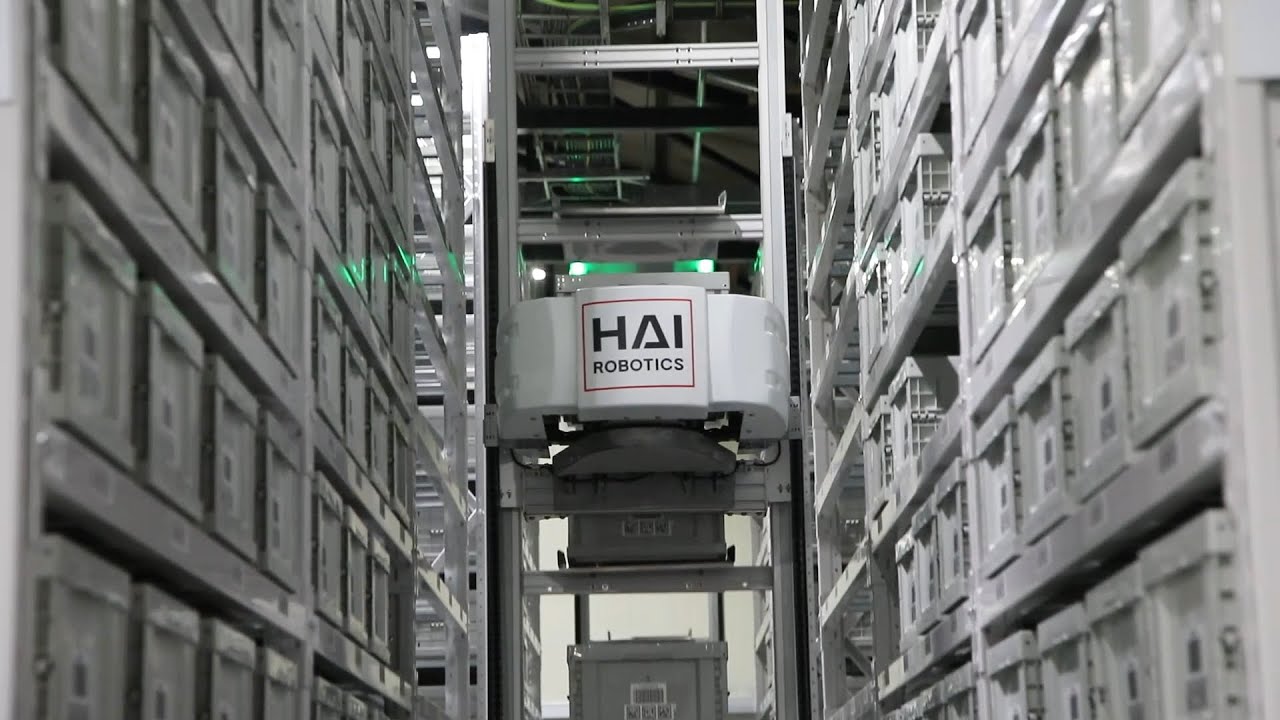
St. Luke's Transforms Healthcare Fulfillment from the Ground Up
St. Luke's, a leading healthcare provider, partnered with Hai Robotics to transform its healthcare fulfillment operations from the ground up. The deployment addresses fulfillment speed, operational control, and supply chain reliability — three of the most critical performance dimensions in healthcare logistics — through automated goods-to-person technology tailored to the unique compliance and accuracy requirements of the healthcare sector.
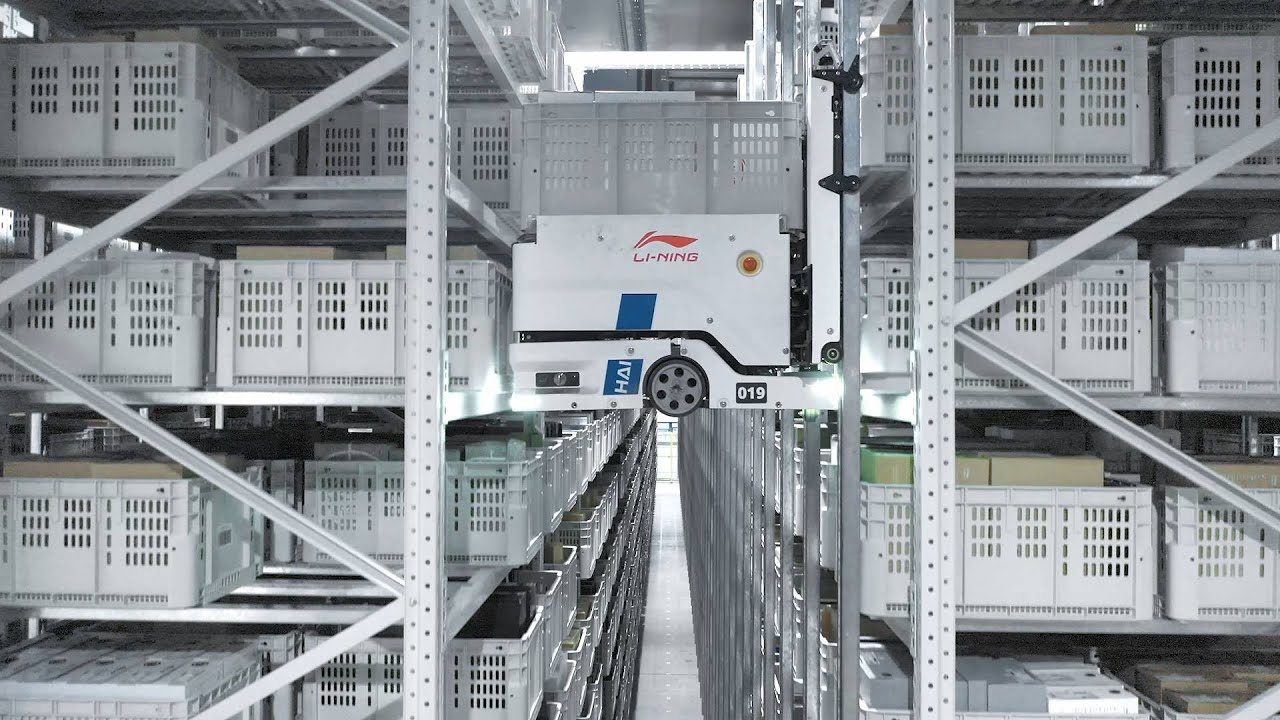
Li-Ning – Fulfillment Center Transformation in 1 Month with HaiPick Climb
Li-Ning, a global sportswear leader, transformed its fulfillment center with HaiPick Climb in just one month from installation to go-live. The deployment achieved a 3× increase in storage capacity with 96% vertical space utilization, 800+ pieces outbound per hour, and 99%+ order picking accuracy — while handling both footwear and apparel categories within a single flexible automated system.
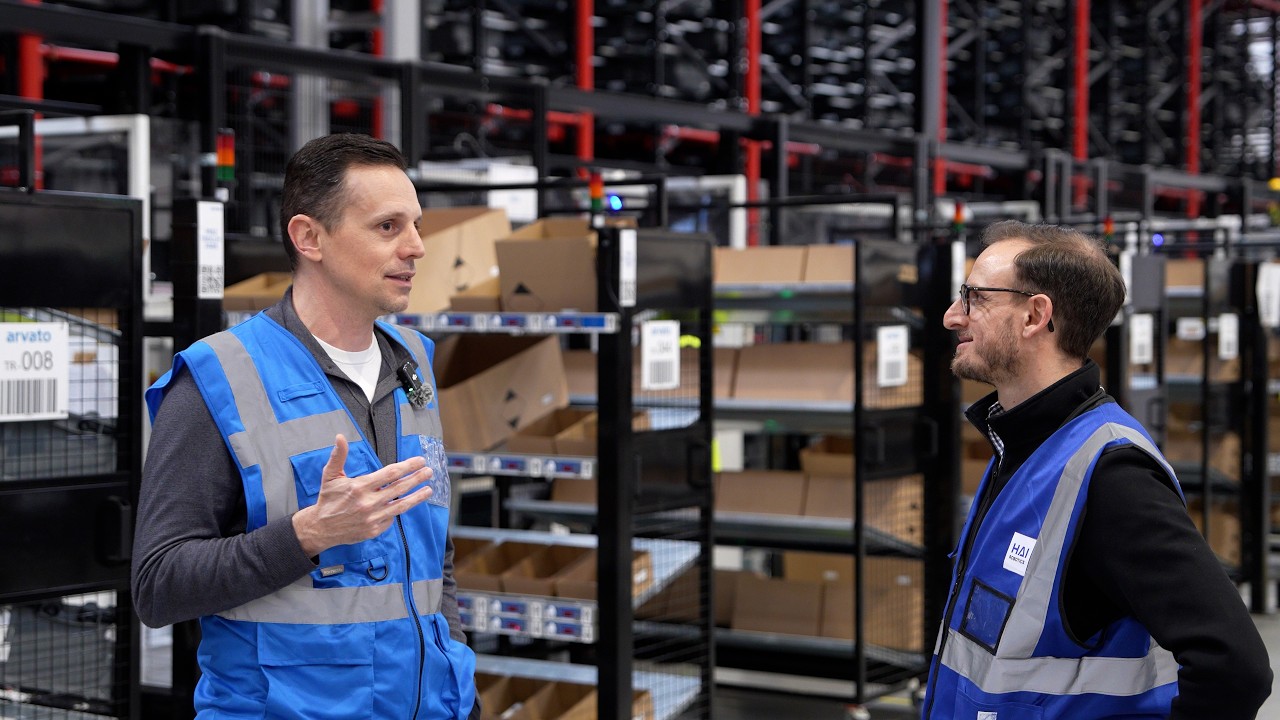
European Premium Beauty Retailer – Omnichannel Fulfillment Transformation with HaiPick System 3
A leading European premium beauty retailer partnered with Arvato and Hai Robotics to transform its warehouse operations using HaiPick System 3 (HPS 3). The automated solution supports simultaneous B2C e-commerce and B2B retail distribution from a single facility, delivering the speed, accuracy, and operational agility required by the beauty industry's high-SKU, high-service-level fulfillment environment.